If you’ve heard of BS7858 Security Vetting and felt a little overwhelmed, don’t worry — it’s actually much simpler than it sounds. In this guide, we’ll explain what it is, why it matters, and what’s involved in plain, everyday language.
What Is BS7858 Vetting?
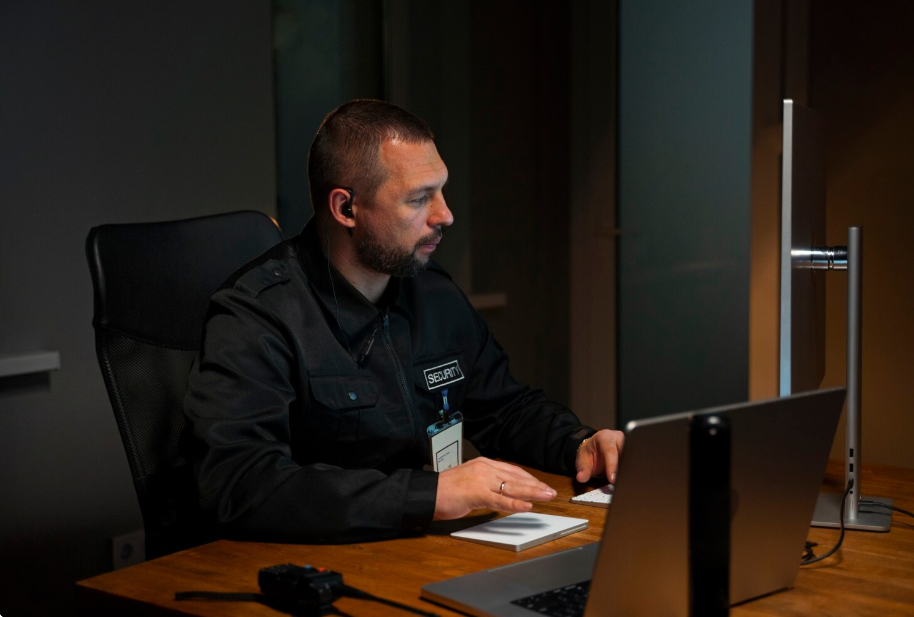
BS7858 is a UK standard used to check whether someone is suitable for a security-related role. In simple terms, it’s a thorough background check that helps employers decide if you can be trusted with responsibility.
Think of it like checking a car’s history before buying it. Employers do the same with candidates to make sure they’re reliable, professional, and trustworthy before putting them in a security role.
Think of it like checking a car’s history before buying it. Employers do the same with candidates to make sure they’re reliable, professional, and trustworthy before putting them in a security role.
Why BS7858 Vetting Matters
Trust is Key
Security jobs come with responsibility. Passing BS7858 shows that you’re dependable, honest, and professional.
Better Job Opportunities
Many employers won’t consider candidates who haven’t completed BS7858 vetting. Having it done gives you a clear advantage.
Confidence for Everyone
Employers feel reassured, clients feel safer, and you can work knowing you meet industry standards.
Security jobs come with responsibility. Passing BS7858 shows that you’re dependable, honest, and professional.
Better Job Opportunities
Many employers won’t consider candidates who haven’t completed BS7858 vetting. Having it done gives you a clear advantage.
Confidence for Everyone
Employers feel reassured, clients feel safer, and you can work knowing you meet industry standards.
What the Vetting Process Involves
“Vetting” might sound intimidating, but it’s really just a series of checks to confirm your background. Typically, it includes:
Being honest and accurate with your information makes the process smooth and straightforward.
- Personal History – Details about where you’ve lived and worked in recent years.
- Financial Check – Reviewing your financial record to ensure there are no major concerns.
- Background Review – Checking past issues that could affect your suitability.
- Employment Verification – Confirming previous jobs and work history.
- References – Contacting former employers or professional contacts for insight.
Being honest and accurate with your information makes the process smooth and straightforward.
Why Employers Value BS7858
BS7858 isn’t just important for candidates — it’s crucial for employers. Hiring the right people is essential in security, and this standard ensures your team is reliable and professional.
Many companies now use managed vetting services like GuardCheck via the GuardPass portal, which can deliver detailed reports in as little as 48 hours, speeding up recruitment while keeping you compliant.
Many companies now use managed vetting services like GuardCheck via the GuardPass portal, which can deliver detailed reports in as little as 48 hours, speeding up recruitment while keeping you compliant.
Security Licences: Different Roles, Different Requirements
Different security jobs require different licences. Whether you want to work as a Door Supervisor, Security Guard, or Close Protection Professional, each role has its own licence requirements. BS7858 vetting often plays a key part in meeting these industry standards.
FAQ: BS7858 Security Vetting
Q1: Who needs BS7858 vetting?
Anyone applying for a security-related role in the UK where employers require it, such as private security, surveillance, or close protection roles.
Q2: How long does the vetting take?
It can vary, but with managed services, reports can be ready in as little as 48 hours.
Q3: What if I don’t pass BS7858?
Employers review the report and discuss any concerns with you. Not passing may limit eligibility for some security positions.
Q4: Is BS7858 the same as an SIA licence?
BS7858 is a vetting standard, while an SIA licence is required to work legally in certain security roles. Both are important.
Q5: Can I prepare for BS7858 vetting?
Make sure your personal history, employment details, financial records, and references are accurate. Honesty is the best approach.
Anyone applying for a security-related role in the UK where employers require it, such as private security, surveillance, or close protection roles.
Q2: How long does the vetting take?
It can vary, but with managed services, reports can be ready in as little as 48 hours.
Q3: What if I don’t pass BS7858?
Employers review the report and discuss any concerns with you. Not passing may limit eligibility for some security positions.
Q4: Is BS7858 the same as an SIA licence?
BS7858 is a vetting standard, while an SIA licence is required to work legally in certain security roles. Both are important.
Q5: Can I prepare for BS7858 vetting?
Make sure your personal history, employment details, financial records, and references are accurate. Honesty is the best approach.
Interested in SIA Training and Licence Support in London, Essex, or Glasgow?
If you’re thinking about SIA training or need a help with your licence, SIA Courses UK is happy to support you. You can book online or message us on WhatsApp if you’d like to talk things through first. Support is available from training right through to your licence application.
🌐 Website: https://siacoursesuk.co.uk
💬 WhatsApp Live Chat: 07 352 603 655
📍 Training locations: London, Essex, Glasgow
🌐 Website: https://siacoursesuk.co.uk
💬 WhatsApp Live Chat: 07 352 603 655
📍 Training locations: London, Essex, Glasgow
